End of Foundation Phase Project Dissemination Conference: Advancing School Leadership for Quality Education in Africa

Kigali, Rwanda – October 4, 2024 – The African Centre for School Leadership (ACSL) successfully convened educational leaders and partners from 12 countries from September 25th to 26th, 2024, in Kigali, Rwanda for the End of Foundation Phase Project Dissemination Conference. This event aimed to share insights, and learnings from the foundation phase of the ACSL initiative and to set the groundwork for its scaling phase.

The conference’s objectives included the dissemination of key project products such as school leadership country mapping reports, policy frameworks, and practice briefs. Attendees explored best practices from the ACSL partners and emphasised school leadership as a critical lever for improving educational quality across Africa.

“School leadership is the cause; all others are effects,” this was a resounding message throughout the conference, originally stated by Professor Stephen Adei in 2019.

“Many of the things we see in the school system, such as not achieving learning outcomes, absenteeism, etc., are mainly the effect of bad leadership. If you get your leadership right, most likely all the other things will be better,” said Dr Michael Boakye-Yiadom, the Director General of the Institute for Educational Planning and Administration (IEPA).

To implement its activities during its foundation phase (2023 – 2024), the Centre has been supported by the Mastercard Foundation, the Jacobs Foundation, and the Global Education Monitoring team of UNESCO. While reflecting on the Mastercard Foundation’s support to the Centre, Isabelle Byusa, Lead of Education and Skills, Rwanda said: “At the Mastercard Foundation, we believe that education is a cornerstone of economic growth, and we have the Young Africa Works Strategy, which aims to enable 30 million young people to access dignified and fulfilling work by 2030. The African Centre for School Leadership aligns with that vision and will be an enabler for our young people to become more employable and access not only existing jobs, but also the jobs of the future. We are proud to support this initiative, and we remain steadfast and determined to continue walking this journey with different partners and expanding to include other partners along this journey”.

In line with the above reflection, the foundation project dissemination conference showcased several impactful outputs aimed at strengthening effective school leadership in Africa:

School leadership country mapping reports – An in-depth analysis of school leadership policies and professional development offerings in Ghana, Kenya, Rwanda, and Zambia, guiding ACSL’s efforts to strengthen leadership across the continent.

Framework for policy development – A framework established to guide the development of national policies, emphasising leadership roles, competencies, standards, career stages, certification, gender inclusion, and professional organisation. This framework was validated through a consultative workshop with policymakers and experts, and the next step involves developing policy briefs that address different topics within the framework.

Leadership Communities of Practice framework – An initiative designed to enhance Early Childhood Education (ECE) through collaboration among district education officers, school leaders, and community leaders, based on experiences by partners in Ghana.

Blended school leadership professional development practice brief – This brief outlines best practices for delivering scalable blended professional development programmes for school leaders, emphasising the Analyse, Design, Develop, Implement, and Evaluate (ADDIE) instructional design model.

Engendering School Leadership in Africa – A policy brief addressing the underrepresentation of women in school leadership and presenting actionable recommendations to foster gender equity in leadership roles.

Exploring Ubuntu school leadership – This research will explore how Ubuntu principles are reflected in current school leadership in Rwanda, how Ubuntu school leadership can meet leadership standards, and how it can be integrated into leadership development programmes.

“The African Centre for School Leadership stands as a testament to the power of collaboration, bringing together a coalition of partners in Africa, all dedicated to promoting effective school leadership across the continent,” said Pascal Gatabazi, Chief Technical Advisor, Ministry of Education, Rwanda.

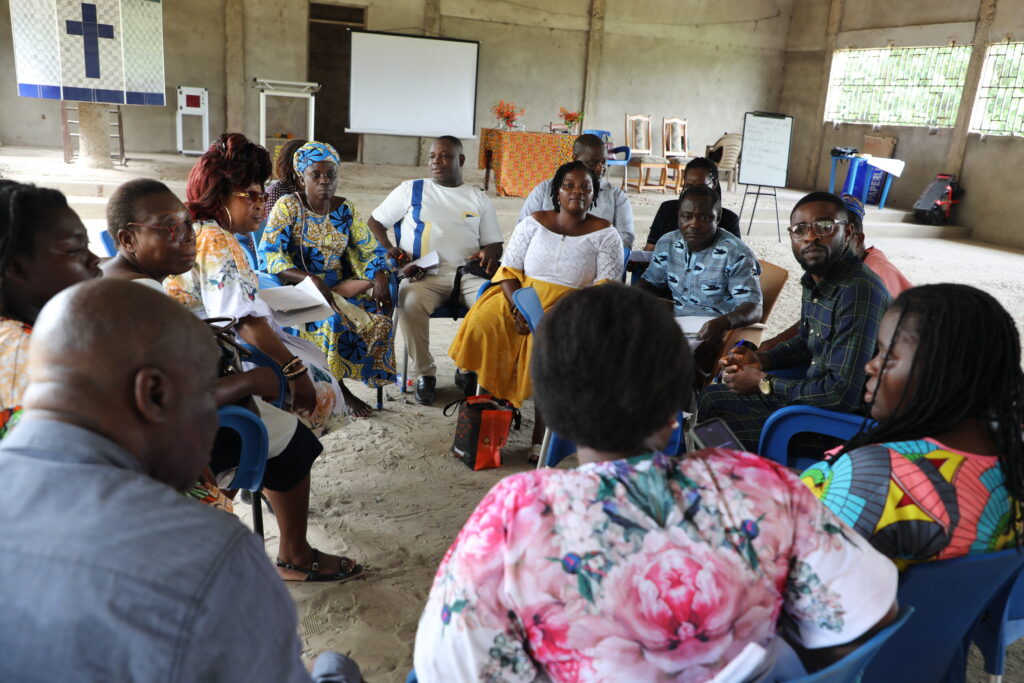
Panel discussions explored critical topics such as the importance of mentorship and coaching in school leadership professional development. The role of mentorship was highlighted as a key driver for sustainable professional growth, allowing school leaders to reflect, learn, and navigate the complexities of their roles together.

During a panel discussion that brought together both young and retired school leaders, Sister Hélène Nayituriki, a retired headteacher with more than 30 years of experience, emphasised the importance of lifelong learning in leadership. “Society is constantly changing, and new developments emerge every day including fast-evolving technologies. Therefore, it is essential for school leaders to continuously learn and adapt to the evolving world,” she said.

She further advised young leaders to be passionate about their work and to embrace collaboration at all levels. “First and foremost, you need to love what you do. Additionally, it’s important to prioritise collaboration with various actors, including the school community, parents, and most importantly, learners, who should remain at the heart of everything.”

Reflecting on the critical role of leadership in shaping the future of education in Africa, Dr Elyas Abdi, Director General of Early Learning and Basic Education at the Ministry of Education in Kenya, emphasised the importance of investing in school leaders. He highlighted that equipping principals with the right skills and knowledge not only fosters individual growth but also benefits the entire school community.

“We need to support our school leaders and the entire leadership within the school system. Supporting one principal with skills and knowledge is as good as reaching out to the entire school community,” he said. “If we have to develop, it’s about our human capital in Africa. Because even when you look at the well-developed economies, they have one thing in common, their human capital is also well-educated. If we are looking for development, our entry point is through education. Therefore, this focus (effective school leadership) is welcome,” he added.

Participants were also urged to reflect on the barriers to gender equity in school leadership. Teresa Omondi-Adeitan, Deputy Executive Director and Head of Programmes at Forum for African Women Educationalists (FAWE) raised a critical point about the double standards faced by women in leadership roles when she said: “We are facing significant challenges to get more women leaders. For example, when a woman is transferred on a promotion basis, it is seen as breaking families. But when a man is transferred it is considered as part of promotion and empowerment.”

She went on to highlight that “this needs to change, and we don’t even need to ask such a question amongst ourselves because transfer is transfer. It has nothing to do with breaking or building families.”

Furthermore, participants stressed the need for deepening partnerships and co-creating initiatives to ensure the ACSL remains the leading authority on school leadership in Africa.

“I would like to appreciate the countries and partners that are here. We started this journey together, we are still together, and let’s hope that we will still be together in 10 years to come, and we will bring more partners. This is the power of partnership. Let’s continue to work together as one,” said Albert Nsengiyumva, Executive Secretary for the Association for the Development of Education in Africa (ADEA). “If there is a single legacy as educators we need to leave, is to make sure that we have contributed to improving the learning outcomes of our children,” he concluded.

The African Centre for School Leadership (ACSL) is a coalition of partners in Africa committed to the promotion of effective school leadership by bringing together partners that offer professional development services, research, and policy advice on effective school leadership. As the conference concluded, discussions shifted towards the future of ACSL. In this regard, the first ACSL Pan-African Coordinating Group (PACG) meeting took place to deliberate on various issues regarding governance matters of the Centre. One of the resolutions of the meeting was the co-option of the Forum for African Women Educationalists (FAWE) into the PACG as a permanent member focusing on gender and school leadership.

Therefore, moving forward, the ACSL is coordinated by VVOB-education for development, The Association for Development of Education in Africa (ADEA), Education Sub-Saharan Africa (ESSA), and the Forum for African Women Educationalists (FAWE).

About VVOB

VVOB – education for development is an international non-profit organisation with over 40 years of experience in strengthening the quality of education systems in Africa, Asia, and South America. VVOB convenes and coordinates ACSL activities related to professional development for school leaders. VVOB collaborates with government-affiliated partners responsible for the professional development of school leaders.

For more information on VVOB, please visit: www.vvob.org

About ADEA

ADEA is the leading platform for policy dialogue on education in Africa. ADEA supports education stakeholders across the continent to strengthen education policy and guidelines and coordinates communication, convenings and advocacy on effective school leadership. ADEA collaborates with national government partners and other relevant continental and regional bodies.

For more information on ADEA, please visit: www.adeanet.org

About ESSA

ESSA is a registered charity that uses evidence to enhance education in sub-Saharan Africa. ESSA organises and coordinates regional research activities on school leadership in Africa. ESSA partners with educational institutions, universities, and individual researchers to achieve its objectives. ESSA is also the ACSL lead for Monitoring, Evaluation and Learning (MEL), designing and managing MEL activities to evidence and refine the theory of change and drive learning.

For more information on ESSA, please visit: www.essa-africa.org

About FAWE

FAWE is a membership-based pan-African Non-Governmental Organisation that operates through 34 National Chapters in sub-Saharan Africa to promote girls’ and women’s education. FAWE’s vision, mission and goal are all resolute on the well-being of girls’ education. Within the ACSL, FAWE is responsible for coordinating gender and school leadership activities and processes.

For more information on ESSA, please visit: www.fawe.org

For more information about the conference and the ACSL, please visit www.africancentreforschoolleadership.org

Media Contact:

Etienne Ntawigira
Strategic Education Advisor, Advocacy and Communication
African Centre for School Leadership at VVOB
Email: Etienne.ntawigira@vvob.org
Tel: +250 788791586

Strengthening school leadership in Africa: Lessons from Ghana

School leaders are the cornerstone of any successful education system, shaping the environment where effective teaching and learning flourish. Based on the findings of an empirical review of research on school leadership, effective leadership in schools is crucial for tackling the root causes of the learning crisis affecting the African continent, including unprepared students, poor teaching quality, weak school management, and a focus on educational inputs that fail to enhance learning.

Recognising this, the African Centre for School Leadership (ACSL) is dedicated to advancing effective school leadership across the continent, building on regional expertise and experience. By fostering partnerships, cultivating networks, and promoting co-creation and mutual learning, the ACSL tackles educational challenges with a collaborative and comprehensive approach.

In a significant step towards this mission, from 12 – 15 June 2024, the ACSL team, together with its partners from Rwanda, Kenya and Ghana, embarked on an important learning visit to Ghana. This visit which included a two-day workshop and school learning was an opportunity to delve into Ghana’s successful practices in school leadership, reinforcing the critical role of partnerships and shared learning in driving improvements across Africa’s education landscape.

Why Ghana?

Having made significant strides in promoting school leadership for quality education, Ghana provided an ideal setting for this exchange. The Institute for Educational Planning and Administration (IEPA), a UNESCO Category II Centre in Ghana, is renowned for its excellence in educational research and training educational planners, administrators, and leaders. Its commitment to the United Nations Sustainable Development Goals (SDGs) and the African Union’s Agenda 2063 aligns perfectly with the ACSL’s mission. The IEPA’s efforts in advancing effective school leadership in Ghana and the broader West African region made it an exemplary partner for this learning visit.

Ghana’s progress in school leadership

In July 2023, IEPA, alongside its counterparts in Rwanda and Kenya, completed a comprehensive school leadership mapping exercise. This exercise highlighted Ghana’s significant achievements in promoting school leadership. These include piloting the National Education Leadership Institute (NELI) to create a dedicated pathway for developing school leaders, providing blended professional development in transformative leadership, and establishing the National Professional Education Leadership Qualification Framework to guide academic institutions in training school leaders. The Ghana Education Service (GES) and the National Teaching Council (NTC) also play an active role in supervising and appraising school leaders.

Leadership is the cause. All others are effects

During the workshop discussions in Accra, it was highlighted that leadership is fundamental, influencing and determining various organisational outcomes. Leadership is the key driving force behind various outcomes, whether they are positive or negative. On one hand, this implies that, in school contexts, effective school leadership can lead to success, motivation and overall positive results as far as school performance is concerned. Poor school leadership can result in failure, demotivation, and low educational outcomes, on the other hand. Therefore, there is a strongneed to nurture and foster effective school leadership, not just leadership.

Dr Michael Boakye-Yiadom is the Director General of the Institute for Educational Planning and Administration (IEPA). He believes school leadership is very important in the effective management of every school. “Many of the things we see in the school system, such as not achieving learning outcomes, absenteeism etc., are mainly the effect of bad leadership. If you get your leadership right, most likely all the other things will be better,” he said. Dr Boakye-Yiadom closed his remarks by citing Professor Stephen Adei’s popular statement that says, “Leadership is cause, everything else is effect.” Indeed, effective leadership is paramount to sustainable success in every sector, including in education.

Power of partnerships

The visit emphasized the importance of collaboration among education stakeholders for achieving effective school leadership and enhancing learning outcomes. Participants learnt that by working together, they can leverage their collective expertise and resources to address complex challenges and improve school leadership practices.

While reflecting on this visit, Dr Fay Hodza, the Regional Coordinator of the ACSL said, “This visit has once again reinforced Hellen Keller’s popular idea that “Alone we can do so little; together we can do so much.” He further said, “in the context of supporting school leadership in Africa, national efforts alone are limited in impact, but when education actors collaborate at the regional level—sharing knowledge, resources, and strategies—they can drive significant improvements in school leadership and ultimately enhance learning outcomes across the continent.”

Retirees programme

This Ghana’s innovative programme engages retired school leaders driven by the motto “we’ve retired but are not tired”, in mentoring and coaching new leaders, ensuring continuity and the transfer of valuable experience. The IEPA organises training for retirees to ensure they can perform their responsibilities effectively and are up to date with current trends in the education sector and school leadership.

Community involvement

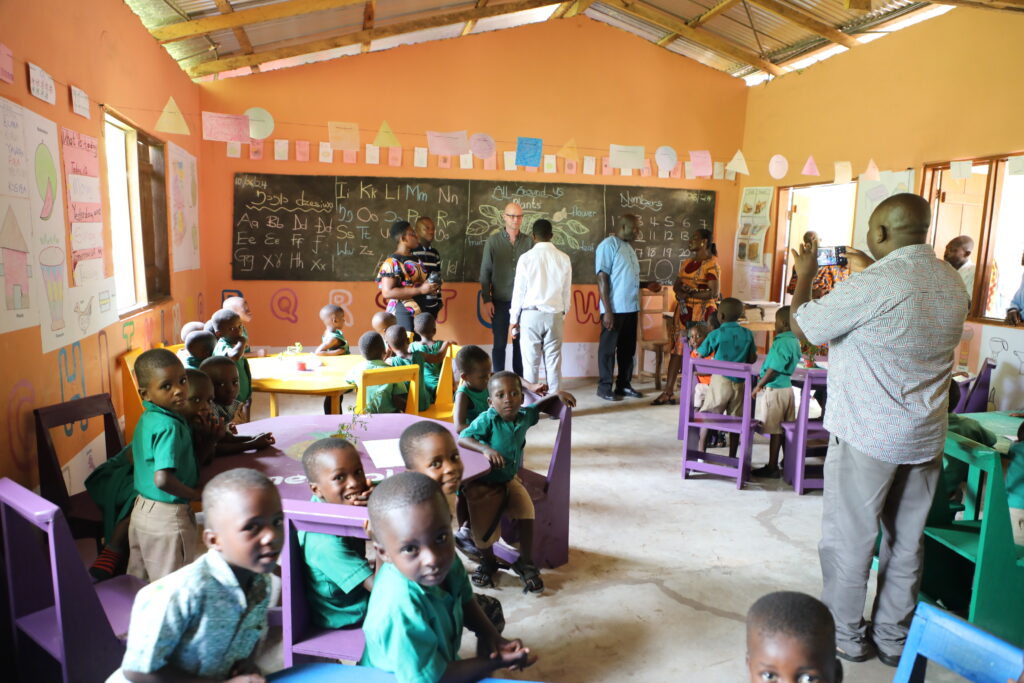
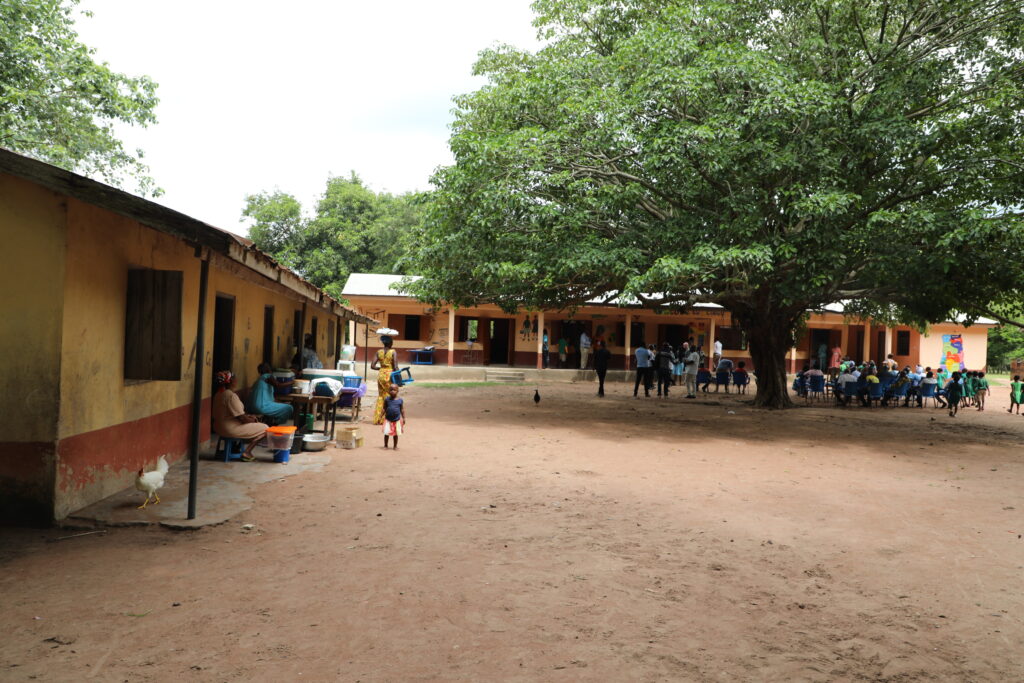
Participants visited St. John’s Catholic Basic School in the Komenda Edina Eguafo Abrem district to observe how Right to Play and Sabre Education integrate play-based learning into the curriculum. At this school, the Leadership Communities of Practice (LCoP) mobilized parents to improve learning conditions, demonstrating the power of community engagement. The LCoPs, initiated through a project by VVOB, Sabre Education, Right To Play and AfriKids, bring together District Early Childhood Education (ECE) Coordinators, teachers, school leaders, and School Management Committee (SMC) members to enhance school leadership and support play-based early childhood education in Ghana.

LCoP members regularly visit schools to address concerns. This year at St. John’s Catholic Basic School, they successfully mobilized parents to fund new chairs and tables for ECE learners and resolved the lack of electricity in kindergarten classrooms through parent engagement.

Emmanuel Abaidoo, a former teacher at St. John’s for 36 years, now leads the School Management Committee (SMC) and remains active in the LCoP. “Children learn as they play. We’ve painted classrooms and are working on a playground to create a welcoming environment for the children,” he said.

Community members also contribute based on their professions. Philomena Kwawolah, a hairdresser and LCoP member teaches kindergarten learners about personal hygiene. “I teach them how to care for their bodies, including their head and hair, to prevent infections,” she said.

Alumni programme

The team also visited St Augustine’s College in Cape Coast, engaged directly with the school leaders as well as administrative and teaching staff and discussed various aspects of leadership within the school context. They gained insights into the administrative challenges and strategies employed by the school leaders to manage operations effectively.

One of the best practices highlighted is St. Augustine College’s alumni programme. This ensures continuous support from graduates, with contributions made every 25 years. This means that every year, a new cohort reaches its 25th anniversary since graduating, consistently returning to significantly contribute to the school’s development in various ways, such as renovating the school infrastructure, buying new desks and other needs of the school.

Key partners represented in the learning visit included government partners from Rwanda, Kenya, and Ghana. In addition, representatives from VVOB and Mastercard Foundation also participated in the visit. The Government of Rwanda was represented by the University of Rwanda-College of Education, the Government of Kenya was represented by an official from the Ministry of Education and Kenya Education Management Institute (KEMI), while the Government of Ghana was represented by officials from the Ministry of Education, Ghana Education Service (GES), National Teaching Council (NTC) and the Institute for Educational Planning and Administration (IEPA).

The ACSL partners’ learning visit highlighted the critical role of partnerships in enhancing school leadership across Africa. By learning from Ghana’s experiences and sharing insights, the coalition aims to foster effective school leadership, ultimately improving the quality of education on the continent.

The ACSL is a coalition of partners in Africa committed to the promotion of effective school leadership by bringing together organisations that offer professional development services, research, and policy advice on effective school leadership.

Transforming Early Childhood Education in Ghana: Success Stories from Leadership Communities of Practice

In August 2023, a transformative project called “Strengthening Play-Based Early Childhood Education (ECE) in Ghana through Leadership Communities of Practice” was launched by four partners, namely VVOB-education for development, Sabre Education, Right To Play, and AfriKids. The initiative aims to create ‘Leadership Communities of Practice (LCoP),’ bringing together District ECE Coordinators, teachers, school leaders, and selected School Management Committee (SMC) members to enhance school leadership and support play-based early childhood education in local communities in Ghana. 

Supported by the Jacobs Foundation, this 18-month project has established Leadership Communities of Practice in three districts across Ghana: Ho West district in the Volta Region, Komenda-Edina-Eguafo-Abirem district in the Central Region, and Binduri district in the Upper East Region.  

In this project, each Leadership Community of Practice consists of communities from two schools, one rural and one urban, that meet every two months to tackle specific challenges in their school community. Guided by trained facilitators, members collaborate to identify the needs for implementing quality play-based learning in kindergarten classrooms. Through shared leadership and inquiry, they develop community-based solutions.

Partners’ learning visit

The four partner organisations have been collaborating virtually each month to share experiences and learn from each other as they facilitate the project implementation in different districts. On June 10-11, 2024, they organised a field visit to the Ho West district to: 

  • Review the project’s progress 
  • Observe Leadership Communities of Practice sessions in practice 
  • Identify best practices and challenges 
  • Collect evidence for qualitative research on strengthening play-based ECE through LCoP.

Embracing the project model

Thirteen staff members from the partner organisations visited the District Director of Education for Ho West, Paulina Slyn Eworde Gobe, and the Volta Regional Director of Education, Francis Yaw Agbemadi.

Mr Francis commended the partners and the district for their efforts in bringing quality, equitable, and accessible education to Ghanaian children through the Leadership Communities of Practice project. “Anyone who invests in education is interested in transforming our future, as education continues to remain the solution to the world’s problems,” he said. He expressed his commitment to extending the project to other districts in the region, ensuring more learners benefit from the model. “Even if there are not enough resources, we are ready to offer additional support to cover other districts,” he added. 

Community commitment

In Ho West, the two school communities that come together to form the LCoP are Abutia Kpota Primary School and Kpedze Primary School, both of which have kindergarten children. The team visited Abutia Kpota Primary School, a rural school with over 500 learners, and met with LCoP members from both school communities during their fourth session. Previous sessions had identified and addressed issues affecting early childhood education, with inadequate and inappropriate furniture in kindergarten classrooms being a priority.

David Sgbe, the School Management Committee chairman and LCoP member at Abutia Kpota Primary School, explained how the Leadership Communities of Practice sessions increased community ownership of school issues. “ECE was not valued at all. The chairs and tables were inadequate and inappropriate for kindergarten children, and some learners had to bring chairs from home,” he said. The LCoP members prepared an estimated budget of 65,000 Ghanaian Cedi (USD 425) for purchasing kindergarten tables and chairs. “We mobilised community members and asked for contributions during the Easter picnic. The Community Chief set an example by contributing a significant amount, on top of what the community members provided,” he added.

As a result, the school now has appropriate chairs and tables for all kindergarten learners, and the classrooms have been painted to create a more attractive and friendly learning environment. Additionally, the district received technical support from Right To Play on play-based learning, along with coaching and mentoring for teachers. These skills have helped teachers enhance their practice and improve learning outcomes.

During the visit, the team was welcomed with drumming, dancing, and cultural displays. They then toured kindergarten classrooms to observe lessons and witness the community’s transformation efforts firsthand. The team also visited Abutia Kpota Chief Togbui Tsali IV, who pledged his community’s full support in promoting the LCoP model. “As long as I’m alive, I will never let the project die,” said Togbui Tsali IV, who is currently writing a thesis on Communal Spirit/Labour for his master’s degree.

Reviving the communal spirit

Priscilla Walters, Head of the ECE Unit, Ghana Education Service (GES), joined the team and expressed gratitude to the partners for initiating the project and commended the district for embracing it. She appreciated the community engagement through LCoP, which she believes is reviving the communal spirit for the promotion of quality teaching and learning. “We are going back to our roots,” she said.

Project impact

Overall, the LCoP project has had a positive impact on all the implementing communities in the three selected districts, including Komenda – Edina – Eguafo – Abirem, Ho West, and Binduri. Communities have seen the need to support their children’s education rather than always waiting for government interventions. Enrolment has increased, classrooms are print-rich and both schools now have the recommended furniture for learners. Parents frequently visit schools and hold briefings with teachers on their children’s academic progress. Specifically in Ho West, government education officials have embraced the project model and have assured its extension to all schools in the Ho West district and the entire Volta region, following its observed successes.

The LCoP project is also in line with the African Centre for School Leadership(ACSL)’s goal to collaborate with key partners in the education sector to build a supportive school leadership system and improve teaching and learning outcomes. The ACSL is a coalition of partners in Africa coordinated by VVOB, the Association for Development of Education in Africa (ADEA) and Education Sub-Saharan Africa (ESSA). The learnings from the project will ultimately benefit the Centre by enhancing its understanding of effective school leadership approaches and competences relevant to the African continent.

African Centre for School Leadership

The African Centre for School Leadership supports governments and other educational stakeholders in Africa to help build robust school leadership systems that strengthen teaching and improve learning outcomes for all. 

Find out here what the African Centre for School Leadership can mean for quality education in Africa and how you can engage. VVOB’s most important resources on school leadership are included too. 

ACSL in a nutshell

Governments in Africa have made great strides to ensure access to basic education. But ‘being in school’ does not equal ‘learning’, and the quality of education indeed remains a challenge. School leaders are essential to tackle this, as research shows that effective school leadership contributes to better teaching and learning through setting direction, empowering and developing teachers, and leading teaching and learning. 

Governments and other stakeholders in the education sector can call on the African Centre for School Leadership (ACSL) to help build robust school leadership systems that strengthen teaching and improve learning outcomes for all. Building constructively on the review by Bush et al (2022) shared above, the ACSL works with partners on 4 key areas to ensure quality school leadership systems: 

  1. Development of school leadership policies and guidelines and effective and scalable professional development programmes for school leaders. This requires engaging with governments across the continent to put the strengthening of school leadership systems as a step towards quality education high on the policy agenda. 
  2. Delivery of professional development programmes for school leaders through supporting professional development providers. To have an impact, continuous professional development (CPD) programmes for school leaders should: 
    • have a long-term focus
    • be embedded in national education systems
    • be offered to a significant number of school leaders 
  3. Monitoring, evaluation and research on the effectiveness of school leadership and school leadership development. The ACSL will institute a continent-wide research programme to address the limited knowledge base on school leadership in Africa and develop tools for consistent monitoring and evaluation of CPD initiatives on school. 
  4. Knowledge mobilisation, advocacy and sector coordination through multi-stakeholder dialogue. The Centre will become the ‘go-to’ place for research and information on school leadership in Africa, and build a strong school leadership network that bring together scholars, policy makers and practitioners interested in school leadership and leadership CPD on the African continent. 

The ACSL promotes effective leadership at all levels of the education system, but its priority focus is on schools and their school leaders. 

Download the concept note for the ACSL

Read on below the visualisation of the ACSL’s theory of change.

How you can engage with the ACSL

For more information or further contact, reach out to our committed team through info@africancentreforschoolleadership.org

  • If you’re a representative of an African government: The ACSL is set up to strengthen the capacity of school leaders to spur increased learning outcomes on the continent. Reach out if you want to collaborate and discuss how the ACSL can support your government to direct the focus of school leaders on learning outcomes.  
  • If you’re a government affiliated provider of continuous professional development for school leaders in Africa: The ACSL is a point of reference for home grown, evidence-based approaches and strategies to strengthening school leadership capacity. Reach out if you are keen to share insights on your work and develop good practices for the region. 
  • If you’re a funder interested in investing in a key driver for SDG 4 in Africa: The ACSL is currently seeking partnerships with donors and investors who share our belief and vision of school leaders as key drivers of learning outcomes and are interested in investing in this area on the African continent. 

Empowering school leaders and developing their capacities are key actions to allow them to establish systems that enable teachers to continuously improve their practice and galvanize the whole community to support students’ hopes and dreams

DR. VALENTINE UWAMARIYA, MINISTER OF EDUCATION OF RWANDA

Read Dr. Uwamariya’s full speech announcing the ACSL at the 13th Policy Dialogue Forum of the International Task Force on Teachers on 2 December 2021 here. 

VVOB and school leadership in Africa

The ACSL builds on the experience and expertise of VVOB and the Ministry of Education in Rwanda on promoting effective school leadership.

Starting from a set of five standards of what constitutes effective school leadership, Rwanda has put in place a CPD support system for school leaders, consisting of a certified initial course for school leaders delivered by the University of Rwanda – College of Education, and complemented by professional learning communities for school leaders. This support system leads to better performing school leaders and an improved culture of teaching and learning in schools.  

For this approach and the innovative blended modalities for delivery of professional development, the Government of Rwanda received recognition from the African Union twice, during the Innovating Education in Africa Expo in Dakar (2018) and Gabarone (2019). 

To this day, VVOB is working closely with the Ministry of Education in Rwanda on effective school leadership. The LEAD project (2022-2026) focuses on strengthening the competencies of school leaders to rely on and use data to improve teaching, learning and school-based teacher professional development. But as the video below shows, VVOB’s partnership with the government to strengthen the school leadership system goes back quite some tiIn Kenya too, VVOB’s priority focus in its collaboration with the Ministry of Education is on school leaders. The INCREASE project (2022-2026) supports school leaders in junior secondary education to acquire strong instructional leadership skills and organise quality teacher professional development at school-level, thus supporting the effective implementation of the new competence-based curriculum. 

Journey Of Promoting Effective School Leadership In Rwanda

More resources and news about school leadership in Africa

Fostering partnerships for transformative change in education in Africa

From the 26th to the 27th of February 2024, VVOB-education for development convened a two-day consultative workshop with partners in Naivasha, Kenya, organised by the African Centre for School Leadership (ACSL) to shape the future of education in Africa through effective school leadership.  

The African Centre for School Leadership is a coalition of pan-African organisations and governments dedicated to promoting effective school leadership through collaboration on professional development, research, and policy advice in the education sector.

The workshop objectives

The workshop brought together regional and country-level organisations, governments, and partners who share the goal of advancing quality education on the continent. Together, we:

  • Gathered inputs to validate draft documents including a framework for school leadership in Africa, a practice brief on blended school leadership professional development, as well as an advocacy, knowledge mobilisation, partnerships and sector coordination strategy of the Centre
  • Reviewed progress and sustainability plans and discussed scaling the activities of the Centre from the current three countries to 12 by 2030
  • Presented preliminary findings of research on school leadership competencies in Sub-Saharan Africa
  • Welcomed new members to the ACSL Foundation Phase Project Steering Committee
  • Strengthened commitment to support the ACSL efforts to promote school leadership

At the regional level, the Association for the Development of Education in Africa (ADEA), Education Sub-Saharan Africa (ESSA), and the Forum for African Women Educationalists (FAWE) were represented. At the country level, representatives from the following organisations participated in the workshop – the Ministry of Education in Kenya and Kenya Education Management Institute (KEMI), the Institute for Educational Planning and Administration (IEPA) from Ghana, the Rwanda Basic Education Board (REB) and the University of Rwanda-College of Education (UR-CE) from Rwanda.

The initiative to establish the African Centre for School Leadership is a testament to our collective commitment to advancing education and driving positive change in our communities

DR ELYAS ABDI

A message from partners

Addressing the workshop participants, Dr Elyas Abdi, Director General of Early Learning and Basic Education at the Ministry of Education in Kenya, commended the initiative to advance effective school leadership and pledged the Ministry’s full support to the Centre’s work in Kenya and beyond.

“When you are not feeling well you go to a doctor. S/he prescribes medicine, and you are fine. But education, being a social science, there is no particular prescription. It requires a multi-faceted approach, and this is where leadership comes in. The initiative to establish the African Centre for School Leadership is a testament to our collective commitment to advancing education and driving positive change in our communities,” said Dr Elyas.

He also reconfirmed his commitment to advancing the Centre and its ambitions: “This Centre represents a bold statement forward in our quest for excellence, equity, and inclusivity in education. So, for us in Kenya and on behalf of the Ministry of Education, I want to assure you of our commitment and support in advancing this Centre’s work.”

Sven Rooms, VVOB’s General Director, described the workshop as a platform for engaging in meaningful dialogue, exchanging best practices, and collaboratively devising strategies to advance effective school leadership on the African continent.

“Together, we can explore innovative solutions, learn from each other’s successes and challenges, and lay the groundwork for a brighter future for education in Africa,” he said.

The African Centre for School Leadership

The African Centre for School Leadership works with governments and governmental agencies in the education sector to build supportive school leadership systems that strengthen teaching and improve learning outcomes and well-being for all. The Centre does this by using the best available expertise in the region to deliver high-quality continuous professional development services, research, and policy advice.

Currently in its foundation phase (2022-2024), the Centre is implemented through a series of projects that are coordinated by VVOB, focusing on three countries: Rwanda, Kenya, and Ghana. The ambition is to expand activities and partnerships from the current three countries to 12 by 2030.

At the regional level, partners will collect, disseminate, and share best practices from partner countries. Within countries, the Centre will support and collaborate with coalitions that reflect the same interplay between policy, practice, and research. The outcome of this double-tiered approach will strengthen school leadership support systems at the regional and national levels, and stronger leadership practices in schools. Ultimately, the goal of the Centre is to positively impact the quality of education for students of all ages across the continent.

The Centre expects to reach about 7,000 in-service and aspiring school leaders by 2027. This number is expected to increase, reaching more than 18,600 by 2030.

Currently, the ACSL is supported by the Mastercard Foundation, the Jacobs Foundation, and the Global Education Monitoring team of UNESCO to run its activities from May 2023 to October 2024.

Learn more about the African Centre for School Leadership.

Joining Forces to Strengthen Play-Based Early Childhood Education in Ghana

With two years of compulsory and free kindergarten (KG) education introduced in 2008, and a new KG national curriculum and teacher training package based entirely around play-based learning, Ghana is now an African leader in early childhood education (ECE).

Despite this enormous progress, challenges persist. KG classrooms remain overcrowded, and many teachers have never received formal training in the play-based method. Teacher professional development opportunities are limited, leading to poor understanding of the play-based curriculum. Learning often remains rote-based, with minimal creative activities. As a result, almost 80% of children in Ghana still do not acquire basic literacy and numeracy skills by the end of primary school (UNESCO, 2022).

Research shows that play-based learning at kindergarten level is the single most effective learning approach for a child’s brain development (UNICEF, 2018). Hands-on education through playful activities in bright and stimulating classrooms is how young minds are moulded and a lifelong love of learning is instilled.

To help address some of the diverse challenges in Ghana’s ECE sector, VVOB, Sabre Education, Right To Play, and AfriKids, have launched a new project called ‘Strengthening Play-Based Early Childhood Education (ECE) in Ghana through Leadership Communities of Practice (LCoP)’.

This 18-month project has been set up with support of the Jacobs Foundation and aims to establish groups called ‘Leadership Communities of Practice’. These bring together district educational, school, and community leaders, with the aim of strengthening school leadership to support play-based ECE in local communities in Ghana. These learning societies will be critical for key members and leaders within the learning community to share ECE knowledge and insights, thereby promoting collaboration and professional development in the sector.

The Leadership Communities of Practice will form a critical support network for Ghana Education Service officers, teachers, parents, and school & community leaders. The pilot project is being introduced in the Ho West district, Volta Region, Komenda-Edina-Eguafo-Abirem district, Central Region, and the Binduri district, Upper East Region.

The Ghana government sees quality ECE as a critical component of their Education Strategic Plan 2018-2030. To further reach this vision, Ghana’s ECE policy was developed to advance the physical, cognitive, and psychosocial growth of all 4 and 5-year-old children, with the national KG in-service teacher training package (INSET) launched in July 2023. With a quality, play-based teacher training programme now in place, the government aims to nationally scale the training to over 48,000 KG teachers in all 261 districts across 16 regions of Ghana.

This innovative new teacher training methodology will revolutionise the way Ghana’s kindergarten children learn by equipping teachers with the knowledge and skills needed to create engaging and stimulating learning environments. The content is designed to promote critical thinking, problem-solving, and creativity, and create playful learning landscapes that nurture the full potential of every Ghanaian child. The Leadership Communities of Practice will support this ground-breaking programme.

Kicking off the project

In August 2023, the LCoP partners met for a four-day inception workshop in Accra, Ghana, to map out the project work plan, including aims, locations, monitoring & evaluation frameworks, and a blueprint for training LCoP facilitators.

Speaking to the workshop participants, Ms Vida Barbara Ntow, National Director of Early Childhood Education, stated: “In essence, the community, including parents and local stakeholders, is a vital support network that can enhance the educational experience for young learners. When educators, families, and community members collaborate, they create a powerful foundation for learners to thrive academically. Thanks to all four partner organisations for their continuous support and ideas for helping early childhood education in Ghana.”

According to Lucy Ama Berma, Programme Manager at Sabre Education, the inception workshop “allowed our partner organisations to come up with some fantastic ideas that will drive this project towards achieving our ultimate objective of enhancing play-based ECE in the selected districts and beyond.”

“It was a fantastic learning opportunity”, Lucy added.

Training the project facilitators

From 9 – 16th October 2023, LCoP facilitators, including district education officials, ECE coordinators, and community leaders, met in Accra. They discussed concepts integral to play-based learning, such as inclusive education, the integration of technology, and fostering social-emotional development through positive learning environments.

The training focussed on how school management committee (SMC) members can influence, mentor, and inspire teachers to play their role towards the improvement of learning outcomes. A key focus was also on the roles and responsibilities of the facilitators, with one participant stating:

“The training helped me understand the influential role of leaders and the importance of play-based learning in kindergarten.”

Chantal Kabanda Dusabe, Technical Lead of School Leadership at the African Centre for School Leadership (ACSL) at VVOB, was a participant in the facilitator training session. She believes that addressing challenges faced by education systems in Africa, especially at ECE level, requires strong school leadership systems:

“This leadership goes beyond the school level to involve even community leaders. I am excited to play a role in this collaborative effort to strengthen play-based learning in ECE through Leadership Communities of Practice. I am happy to see the LCoP facilitators’ commitment to fulfilling their roles within their respective communities and districts”. 

The Leadership Communities of Practice project forms an integral part of Sabre Education and partners’ support of the government’s national scaling plan, which aims to open up the life-changing impact of play-based learning to millions of children across Ghana. Projects such as these which champion leadership in schools and communities are critical for strengthening early education systems at district, regional, and national levels.

The LCoP project is also in line with the overall objective of the African Centre for School Leadership to collaborate with key partners in the education sector to build a supportive school leadership system and improve teaching and learning outcomes. The learnings from the project will benefit the Centre as to increase insights into school leadership approaches and competences that are relevant to the African continent.

As we continue the LCoP project into 2024, project partners will continue to deliver exciting outputs, including stories of change for project participants and an overview of learnings across the project stages. Partnerships such as these are integral to Ghana continuing its trailblazing path towards achieving the United Nations Sustainable Development Goal 4.2: universal access to quality early childhood education.

Stakeholders rely on new African Centre for School Leadership to build consensus around effective leadership

Kigali, Rwanda – Wednesday, 30 March 2022—In close partnership with the Government of Rwanda, the Mastercard Foundation and the Belgian Government, VVOB-education for development initiating the African Centre for School Leadership (ACSL), an initiative by and for African and African-based partners.

The Centre, a multistakeholder initiative, is currently in its foundation phase and will be hosted by the Government of Rwanda, a key strategic partner. The ACSL is set to support African governments to build a supportive school leadership system with the objective of improving teaching practices and, in turn, learning outcomes.

The Centre will focus on promoting effective leadership at various levels in education systems on the continent. Drawing from evidence on the effects of school leadership, supportive educational leadership at policy level will enable effective and scalable professional development of school leaders, resulting in more effective school leadership . Effective school leadership, in turn, will support effective school-based teacher mentorship and support, resulting in improved quality of teaching, learning and learning outcomes.

“The aim of this Centre is to support governments in Africa to promote effective school leadership, and improve quality of teaching and learning outcomes. We need to have a Centre that provides support on continuous professional development of school leaders who will join the leadership in different schools,” says Dr Valentine Uwamariya, Rwanda Minister of Education.

In the run-up to the establishment of the Centre, a review of empirical evidence on school leadership in Africa took place. This review on school leadership in Africa offers insights in what constitutes effective school leadership on the continent, based on empirical evidence. The review considers the key competencies and practices that are associated with effective school leadership, the key features of effective and scalable continuous professional development (CPD) for school leaders as well as on how local, national and regional policies promote or inhibit school leaders’ leadership practices in Africa.

The empirical evidence review on school leadership in Africa can be found here.  

In a next step, a representative panel of policy makers, CPD providers, experts and development partners were brought together on the African continent from 30th to 31st March 2022, to discuss this empirical research and to build a consensus on what constitutes effective school leadership on the continent. It was also an opportunity to share the Rwandan experience in promoting effective school leadership.

“The biggest challenge in ensuring effective school leadership relates to the preparation and selection of school heads and principals.  For schools to be well led and managed, principals require specialist preparation as instructional leaders.  Selection of principals should be based on professional suitability, not administrative or political criteria” said Dr Tony Bush, Professor of Educational Leadership at University of Nottingham (United Kingdom).

“The quality of leadership in schools has a direct impact on the quality of basic education that children receive in any country. Therefore, it is imperative that school leaders have access to continuous professional development (CPD) to enable them to effect positive change. However, in many African countries, there are lack of structures to enable provision of such support to school leaders,” said Pauline Essah, Director of Research and Insight at Education Sub-Sahara Africa.

“The African Centre for School Leadership (ACSL), to be hosted in Rwanda, will be well-placed to contribute to bridging this gap. This is due to ACSL’s intent to support African governments to establish and scale up evidence-based education leadership systems that will be tailored to local needs, particularly with respect to strengthening the capacity of local CPD providers who train and support school leaders. This approach of co-developing solutions to challenges identified should help to improve and sustain the quality of education and learning outcomes for children in participating African countries, for the benefit of Africa and the world,” she added.

About VVOB

VVOB-education for development is an international non-profit organisation with 40 years of experience in quality education. Through capacity development, VVOB provides support to ministries of education in Africa, Asia and South America to improve (initial) professional development of teachers and school leaders in early childhood, primary, general secondary, and technical and vocational education.

For more information on VVOB, please visit: www.vvob.org

About the Mastercard Foundation

The Mastercard Foundation works with visionary organizations to enable young people in Africa and in Indigenous communities in Canada to access dignified and fulfilling work. It is one of the largest, private foundations in the world with a mission to advance learning and promote financial inclusion to create an inclusive and equitable world. The Foundation was created by Mastercard in 2006 as an independent organization with its own Board of Directors and management. For more information on the Foundation, please visit: www.mastercardfdn.org

For Press Inquiries

Etienne Ntawigira
+250 788 791 586
etienne.ntawigira@vvob.org

Initiating the African Centre for School Leadership

In close partnership with the Government of Rwanda, the Mastercard Foundation and the Belgian Government, VVOB is initiating the African Centre for School Leadership (ACSL), an initiative by and for Africans and African-based partners.

The Centre, a multistakeholder initiative, is currently in its foundation phase and will be hosted by the Government of Rwanda through the Ministry of Education, a key strategic partner. The ACSL is set to support African governments to build a supportive school leadership system with the objective of improving teaching practices and, in turn, learning outcomes. Drawing from evidence on the effects of school leadership, supportive educational leadership at policy level will enable effective and scalable professional development of school leaders, resulting in more effective school leadership. Effective school leadership, in turn, will support effective school-based teacher mentorship and support, resulting in improved quality of teaching, learning and learning outcomes.

A review of empirical evidence on school leadership in Africa

In the run-up to the establishment of the Centre, a review of empirical research on school leadership in Africa took place. This review offers insights in what constitutes effective school leadership on the continent: research question (RQ) 0. The review considers the key competencies and practices that are associated with effective school leadership (RQ1), the key features of effective and scalable continuous professional development (CPD) for school leaders (RQ2) as well as how local, national and regional policies promote or inhibit school leaders’ leadership practices in Africa (RQ3). 

In a next step, a representative panel of policy makers, CPD providers, experts and development partners were brought together in Kigali-Rwanda from 30th to 31st March 2022, in a workshop to discuss this empirical research and to build consensus around what constitutes effective school leadership on the continent. It was also an opportunity to share the Rwandan experience in promoting effective school leadership. 

Building a consensus on what constitutes effective school leadership in Africa

Before the panel workshop this expert panel participated in a survey and shared their opinion on statements on effective school leadership in Africa that came out of the review of empirical research. In addition, they shared their opinion on proposed ambitions and priorities for the African Centre for School Leadership. In that first survey round and through subsequent discussions during the panel workshop, the panel reached a consensus on a number of statements. For instance, consensus was reached that school leadership is effective when it improves students’ learning results (RQ0). A consensus was achieved on the competencies that an effective school leader should possess, including the ability to create a learning-enabling environment and, among other things, supporting teachers’ professional development (RQ1). Concerning CPD for school leaders, the panel agreed that for CPD to be effective, it must contain gender-responsive and gender transformative pedagogy to address current gender and equity gaps. Furthermore, for school leadership CPD to be sustainable and scalable, strong engagement between CPD providers and government is required (RQ2). 

One of the interesting areas that came out of the panel discussions is the topic of Ubuntu School Leadership. The panel agreed that Ubuntu School Leadership could be an emergent approach on school leadership in Africa highlighting unique aspects of leadership, starting from assessing available resources, attending to others’ needs, and raising expectations and commitment to organisational goals. It was agreed that the topic of Ubuntu school leadership needs to be further explored and studied. Another area that panel members agreed needs further research is the interplay between gender and school leadership. A support area for the African Centre for School Leadership that has been discussed with the panel of experts is on CPD of school leaders and the provision of guidance on how CPD can be organised by CPD providers in an effective, scalable, and sustainable way on the African continent. 

 After discussions in the panel workshop, some statements on effective school leadership and proposed ambitions of the Centre were reformulated and reshared with the panel in a second survey round with the purpose to finetune the consensus or identify clear areas of non-consensus.

Way forward

The workshop was an opportunity to engage a representative panel of policy makers, CPD providers, experts, and development partners on the African continent in the foundation phase of the ACSL through the consensus building around effective school leadership in Africa. This is in line with the African proverb “If you want to go fast, go alone; but if you want to go far, go together”.  

In the next step, the second round of the survey with focus on the statements which did not reach consensus, will be completed. The results of the consensus building exercise will also be disseminated during a regional conference in July 2022, in Kigali.  In addition, a framework about effective school leadership and effective CPD for school leaders in Africa will be developed based on the results of the consensus building exercise.

Watch the highlights of the African Centre for School Leadership panel workshop held on 30th – 31st March 2022 in this video. 

Shaping the future of school leadership in Africa

Rubavu, Rwanda 19 – 21 July 2023. The Rwanda Ministry of Education and VVOB-education for development organised a co-creation workshop with partners to review key concepts of the African Centre for School Leadership (ACSL) and shape the future of the Centre.

The African Centre for School Leadership is an initiative by and for African and African-based partners and other partners that share the goal of advancing quality education in Africa. 

The Centre works with African governments and other educational stakeholders in four focus areas to build quality school leadership systems.

  1. The development or re-development of school leadership policies and guidelines and effective and scalable professional development programmes for school leaders. 
  2. The delivery of professional development programmes for school leaders through capacity development of professional development providers. 
  3. Monitoring, evaluation and research on the effectiveness and impact of school leadership and school leadership development. 
  4. Knowledge mobilisation, advocacy and sector coordination through multi-stakeholder partnerships and dialogue.

“We believe that effective school leaders create conditions necessary for effective teaching and ultimately improve learning outcomes. This is why African governments need to collaboratively invest in school leadership support as part of their education policy agenda and we see the African Centre for School Leadership as an opportunity to achieve this agenda,” said Gaspard Twagirayezu, Minister of State for Primary and Secondary Education, Rwanda.

The ACSL is being developed in four phases namely: the inception phase, the foundation phase, the implementation phase, and the expansion phase. During the first two phases, the Centre has been engaging key partners on the continent, developing strategic plans, reviewing evidence on school leadership in Africa and developing a research agenda. In the first implementation phase planned between 2023 and 2024, the Centre will work in three countries namely, Rwanda, Kenya, and Ghana, with plans to expand to additional African countries from 2026.

Currently, the Centre works in partnership with the Rwanda Ministry of Education, the Association for the Development of Education in Africa (ADEA), the Institute for Educational Planning and Administration (IEPA – Ghana), the Kenya Education Management Institute (KEMI), the Rwanda Basic Education Board, and the University of Rwanda College of Education (UR-CE). In addition, the Centre is collaborating with the Mastercard Foundation as a financial partner for the Foundation Phase project.

Starting from 2024 the Centre plans to expand to more African countries from the current three, reaching at least 12 countries by 2030.

“There are a couple of things that are going to help us expand the scope of the Centre – bringing on board more African countries. To start with, we need to share learnings from Rwanda, Kenya, and Ghana, such as innovative approaches and best practices. In addition, we can identify champions in school leadership from other countries and initiate discussions to share what is going on in their countries,” said Albert Nsengiyumva, Executive Secretary of ADEA. 

During the co-creation workshop, partners participated in the planning, review and validation of short-term activities/projects of the Centre and reflected on the medium and long-term vision of the Centre. Some of the planned activities/projects include:

  • Development of the identity of the Centre
  • Development of a framework for effective school leadership in Africa
  • Strengthening the capacity of providers of school leaders’ continuous professional development (CPD) in developing and delivering CPD contents 
  • Mapping of school leadership policies and professional development, starting with Rwanda, Kenya, and Ghana
  • Research on various themes such as Ubuntu and School Leadership
  • Establishing Early Childhood Education (ECE) Leadership Communities of Practice to support play-based teaching and learning in Ghana

“I am truly honoured to witness the start of the implementation phase of the African Centre for School Leadership. This initiative represents a significant step forward in shaping the future of school leadership in Africa. By collaboratively investing in school leadership, we have a remarkable opportunity to create the conditions necessary for effective teaching and ultimately improve learning outcomes across the continent, said Dr Fay Hodza, Regional Coordinator, African Centre for School Leadership

“I am excited to be part of this transformative journey and believe that the Centre will play a pivotal role in advancing quality education in Africa. Together, we can make a profound impact on the lives of students across the continent,” he added.

The Centre is hosted in Rwanda and aims to become the ‘go-to’ place for research and information on school leadership in Africa and build a strong network that brings together scholars, policy makers and practitioners interested in school leadership and leadership continuous professional development on the African continent.

About VVOB

VVOB – education for development is an international non-profit organisation with over 40 years of experience in quality education. Through capacity development, VVOB provides support to ministries of education in Africa, Asia and South America to improve (initial) professional development of teachers and school leaders in early childhood, primary, general secondary, and technical and vocational education. For more information on VVOB, please visit: www.vvob.org

About the Rwanda Ministry of Education

The vision of the Ministry of Education (MINEDUC) is to provide the citizens of Rwanda with equal opportunities for high-quality education through world-class learning facilities and renowned learning institutions. For more information on MINEDUC, please visit: www.mineduc.gov.rw

For Press Inquiries

Etienne Ntawigira
+250 788 791 586
etienne.ntawigira@vvob.org